Early Access

Kite the Planet

This platform is in private beta. Sign in to continue.

🇲🇬Diana Region, Northern Madagascar, Madagascar

SAKALAVA BAY

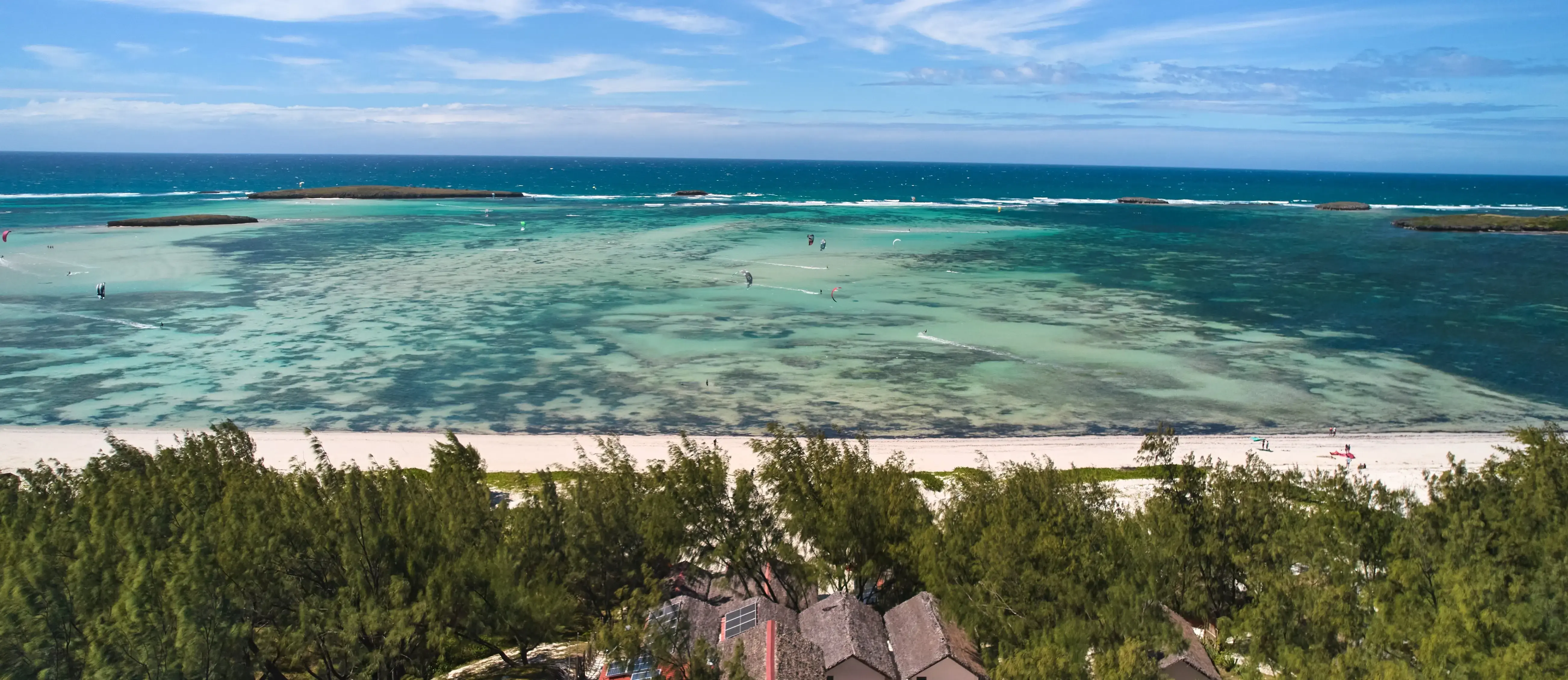
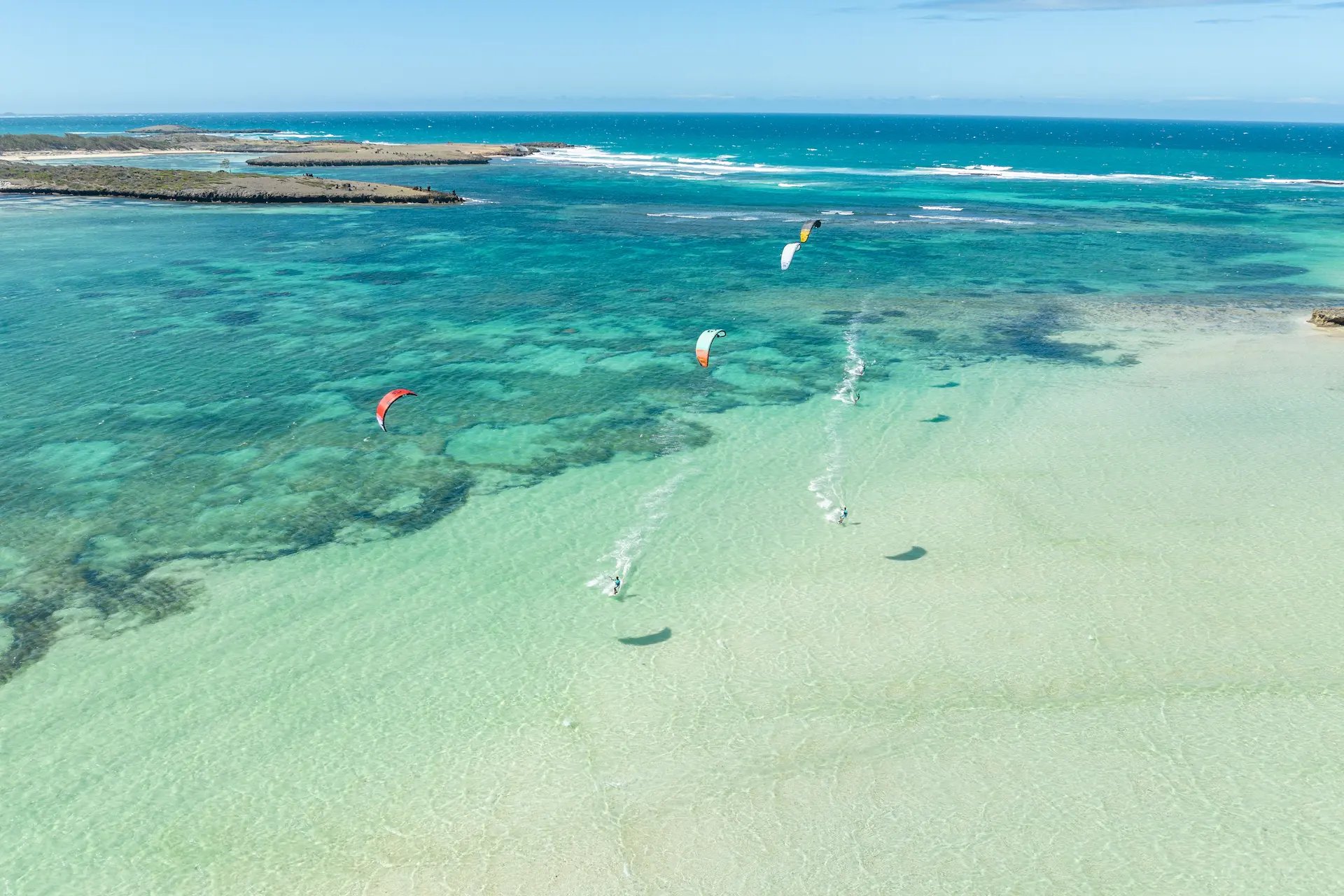
A reef-enclosed lagoon engineered by geology to strip swell and concentrate trade wind. The Varatraza — the SE Indian Ocean trade wind — funnels through the pass between Madagascar and the African continent and lands in a 5km² flat-water bay with a sand floor and side-onshore wind direction. The access filter is the feature: the kiters who make it here are serious, the lagoon is uncrowded, and the water is emerald green.

Mar–Dec
Wind Season
22–24°C
Water Temp (peak)
25–35 kts
Peak Wind
Jun–Sep
Peak Months
Scroll

Named Kite Spots

The Sandbank, the Reef, and the Emerald Sea

Sakalava Bay Main (The Sandbank)

All Levels

The reason people fly to Madagascar. A 5km² reef-enclosed lagoon with a sand floor averaging 40–80cm depth at the sandbank — mirror flat at low tide, lightly choppy at high tide. The Varatraza arrives side-onshore from the SE, meaning the wind always pushes you back toward the beach: structurally the safest kite geometry possible. Schools operate from the beachfront, designated zones are managed, and the kiter density remains a fraction of comparable conditions in Tarifa or Cabarete. The outer coral reef, 600m offshore, strips all swell before it reaches the lagoon.

LessonsFreerideFreestyleFoilWing

Hazards: Stingrays on the sandflat — shuffle feet walking in; coral reef at outer bay edge (600m out) — advanced riders only; avoid if upwind ability is marginal

Access: ~20km from Diego Suarez (Antsiranana). 15km sealed road to Ankorikakely junction, then 6km unpaved sandy track. 4x4 required after rain; passable by standard car in dry season. Most camps offer transfers — book in advance.

Sakalava Bay Reef Break

Intermediate+

The outer edge of the lagoon, 600m seaward from the main beach, where the reef generates consistent wave faces in peak season. The Varatraza swell that the reef strips for the main spot hits the outer face directly — generating 0.5–2m wave faces on peak-season days. This is the only real wave spot in the immediate Sakalava Bay cluster. Accessible by riding upwind from the sandbank; allow 10–15 minutes to reach from shore.

WaveStrapless FreestyleTide-dependent

Hazards: Sharp coral reef; tide-dependent — enter only at high tide with adequate upwind ability; no rescue boat coverage at outer reef; experience required

Access: Ride out from Sakalava Bay main beach. 10–15 min upwind from sandbank. No shore access to the reef itself.

Ramena Beach

Intermediate

A long arc of sand fronting the Diego Suarez Bay passage, 15km from town on a sealed road. More exposed than Sakalava Bay — the wind is gustier as it wraps around the headland, and the water is choppier. Not ideal for learning, but excellent for experienced riders who want a more raw session without the 6km sandy track to Sakalava. The village itself offers local restaurants and a more lived-in atmosphere than the kite camps.

FreerideDownwinder

Hazards: Stronger gusts wrapping the headland; boat traffic in Diego Suarez Bay entrance; rocks at beach edges; less protected than Sakalava

Access: 15km from Diego Suarez on sealed road; last 3km paved direct to village. Taxi-be from Diego Suarez ~2,000 MGA (~€0.40). Hotel Lakana runs kite instruction from this beach.

Mer d'Émeraude (Emerald Sea)

Intermediate+

12km of coral lagoon on the Babaomby Peninsula, only reachable by boat from Ramena. The water is 40–80cm deep over white coral sand at a specific color of emerald-green that reads as artificially saturated in photographs — visitors consistently assume the images are color-graded. It isn't. Sea turtles and stingrays move through the flat water zone; wave sections form 15 minutes upwind on the outer reef. The most visually extraordinary kite location in the world by almost any metric, and frequented by a handful of kiters per day during peak season.

FreerideFoilWaveWingTide-dependent

Hazards: Boat access only (~45 min from Ramena); tide-dependent — boat cannot cross at low tide; no shore rescue; technical launch area; self-rescue required

Access: Drive Diego Suarez → Ramena (15km sealed), then boat to Babaomby Island Lodge (~45 min). No road access. Tide window critical — confirm with lodge before departure.

Orangea (Northern Headland)

Intermediate–Advanced

Coordinates pending: local verification required

The northern extension of the Sakalava Bay area, beyond the Orangea forest reserve. More exposed and raw than the main bay — less shelter from the headland, stronger gusts, occasional small swell. Not a beginners' spot. Good for experienced riders who want solitude and space without the flat-water predictability of the sandbank. Wildlife: the Orangea area borders a forest reserve with lemur populations — this is the one kite spot where you can potentially spot ring-tailed lemurs from the beach.

FreerideWave

Hazards: No camps or schools on-site; isolated — limited rescue infrastructure; rough 4x4 track access only; more exposed wind angle than main bay

Access: Extension of the Sakalava Bay sandy track; 4x4 only; ~25km from Diego Suarez. No facilities on site — bring water and food.

Baie des Dunes / Baie des Pigeons

Intermediate

Two smaller bays en route between Ramena and Sakalava Bay. Less consistent than either anchor spot — the wind tunnel effect that concentrates the Varatraza at Sakalava is absent here. Occasionally used as an alternative session when riders want a change of scenery. The coastal walk between Ramena and Sakalava via these bays (2.5–3 hours) is one of the best day hikes in northern Madagascar regardless of wind.

Freeride

Hazards: No facilities; rocks at water's edge in Baie des Pigeons; less consistent wind angle than Sakalava; rough track access

Access: Walkable from Ramena (2.5–3hrs coastal path) or by 4x4 continuation of Sakalava track. No services.
🌊

The Emerald Sea: A Color You Cannot Photograph Accurately

The Mer d'Émeraude at Babaomby is not a marketing name — it is a geological description. The 12km coral lagoon sits 40–80cm over white coral sand at a latitude and reef composition that produces an emerald-green color that reads as artificially saturated in every photograph. Sea turtles and stingrays share the flat-water zone with kite instruction. Wave sections form 15 minutes upwind. Access is by boat from Ramena and tide-dependent. Babaomby Island Lodge is the operating base; contact them before departure to confirm the tide window.

Wind & Conditions

82/100Wind Reliability
Advanced

The Varatraza: Nine Months, 315 Wind Days

MonthWindWindy DaysWater TempNotes
Jan0–10 kts
0%
29°CCyclone season; do not plan a kite trip; hot, humid, potentially dangerous weather
Feb0–10 kts
0%
30°CPeak cyclone risk; off-season; camp operations suspended
Mar15–20 kts
50%
28°CSeason opens mid-month; building Varatraza; Babaomby/Ocean Lodge open from ~mid-March
Apr15–25 kts
70%
27°CReliable and consistent; water warm; crowds minimal; shoulder season value
May20–30 kts
80%
26°CVaratraza building strength; excellent conditions across all spots; pre-peak crowd levels
Jun20–30 kts
90%
24°CHigh season begins; very consistent; peak kite community arrives; June is the sweet spot for crowds vs wind
JulPEAK25–35 kts
95%
22°CPeak season; strongest and most consistent month; consider 7–9m on heaviest days; 2–3mm shorty recommended
AugPEAK25–35 kts
95%
22°CPeak season; gustiest month; wave reef fires on best swells; busy by Madagascar standards (still uncrowded globally)
Sep25–35 kts
90%
23°CStill peak quality; slightly tapering from Aug maximum; water beginning to warm; excellent all-around month
Oct20–30 kts
85%
25°CStrong and very reliable; Varatraza tapering but still excellent; great value as camps thin out
Nov15–25 kts
75%
27°CLate season; reliable but lighter than peak; warm water; very uncrowded; some camps begin closing Nov/Dec
Dec15–20 kts
65%
28°CSeason closing late December; lighter and variable; check camp open/close dates before booking

Kite Size Guide

Peak Varatraza (Jul–Aug)7–10m25–35 kts; 7–8m for heaviest days; 9–10m standard peak season quiver; consider 6m backup in July
High season (Jun, Sep–Oct)9–12m20–30 kts; 10–12m daily driver; 9m available when the Varatraza exceeds forecast
Shoulder season (Apr–May, Nov)12–14m15–25 kts; 12m handles the stronger days; 14m for lighter mornings
Opening month (Mar)12–16m15–20 kts building; 12m for peak of day; 14–16m for early mornings before full Varatraza establishes
Wave reef (outer break, Jul–Sep)7–9m25–35 kts; reef waves generate chop on top of swell; smaller kite recommended; advanced riders only

Based on an 80 kg rider at the main sandbank. July and August regularly exceed 35 knots on peak Varatraza days — always have a 7m available in peak season.

Water & Wetsuit

Water Temp (peak season)
22–24°C
Jul–Aug; Indian Ocean trade wind cools the lagoon during peak season
Wetsuit Rec
2–3mm shorty Jul–Aug; rashguard other months
No booties needed — sand bottom throughout the lagoon. Boardshorts only from April–May and Nov–Dec.

Jan–Feb is cyclone season. Do not book a trip in these months — camps are closed and conditions are unsafe.

💨

The Varatraza: Why This Bay Has Wind When Nowhere Else Does

The Varatraza — Malagasy for 'wind from the sea' — is the SE Indian Ocean trade wind that builds momentum across open ocean before reaching the channel between Madagascar and the African continent. The bay's northeast orientation catches this flow directly. The coral reef strips the swell before it enters the lagoon, leaving the wind unaffected. The side-onshore wind angle means the Varatraza always pushes you back toward shore: structurally the safest kite geometry possible. The result is approximately 315 wind days per season — a consistency figure approached by Cabarete and Tarifa but not matched in the Indian Ocean region.

Schools & Camps

Beachfront Lodges, the Emerald Sea Eco-Camp, and IKO Instruction

Sakalava Lodge

IKO-certified (brand not publicly confirmed)

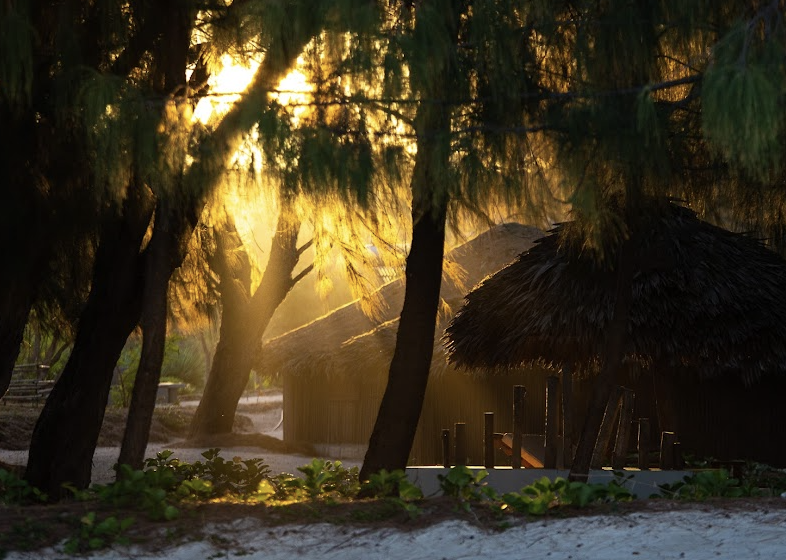
Madagascar's first kite and wingfoil ecolodge, founded in 2000 by Greg — a windsurfer who built the first kite operation on Sakalava Bay. The oldest and most established name on the bay. Capacity is capped at 15 guests, giving it a house-party feel rather than a hotel. Full board with open bar, beachfront bungalows in a 5-hectare tropical garden. IKO-certified coaching with a maximum of 4 students per session. TripAdvisor Travelers' Choice 2023, 2024, and 2025. Listed directly on the IKO school registry.

KTP Pick: Founded 2000 — Madagascar's original kite operation. Boutique 15-guest capacity with a 4:1 student-to-instructor ratio and the longest track record on the bay.

Contact for current rates; full-board beachfront bungalows; max 15 guests

Ocean Lodge Sakalava

Kitesurfing, windsurfing, wingfoil (multi-brand)

Directly on Sakalava Bay beachfront. IKO-certified instructors — 1-on-1 instruction only with radio communication during lessons. On-water support provided. The lodge runs kitesurfing, windsurfing, windfoil, and wingfoil from the same location. The lagoon-view restaurant serves local Malagasy cuisine and is open to non-guests. A complete operation built around the kite spot rather than alongside it.

KTP Pick: IKO-certified 1-on-1 instruction with radio comms — no group lessons — and a lagoon-view restaurant open to non-guests.

Contact for current rates; beachfront bungalows with private bathroom and sea view

KiteParadise Madagascar

Rental fleet available; kite and windsurf gear on-site

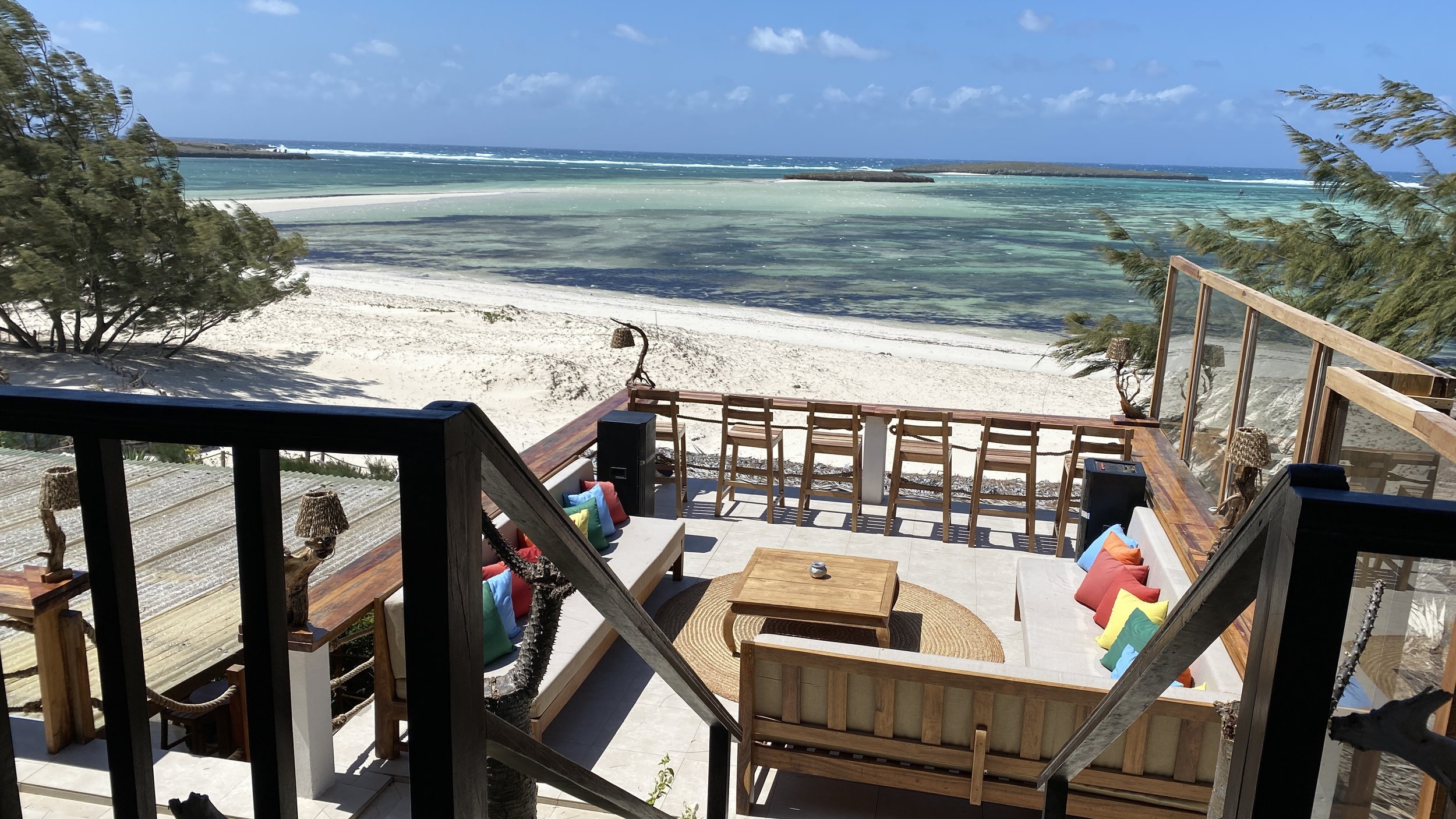
One of the original and longest-established kite camps at Sakalava Bay — IKO school with kite lessons and gear rental. Accommodation ranges from Chameleon Suites to Baobab and Zebu Bungalows positioned on the dunes with direct bay views. The bar, restaurant, and pizzeria sit on the terrace five meters above water level — the panoramic lagoon view from meals is genuinely exceptional. The kite spot is directly in front of the property; the wave reef is 600m offshore.

KTP Pick: Bar, restaurant, and pizzeria on the dune terrace with panoramic Sakalava Bay views — the most social beachfront setup on the bay.

Contact for current rates; bungalow + lesson packages available

MadaKiteCamp

Kite, wingfoil, windsurf (full-board packages)

Structured weekly packages with accommodation, instruction, and full board — good for solo travelers who want all logistics solved from a single booking. The camp runs kite, wingfoil, and windsurf instruction. The 50-minute transfer from Diego Suarez airport is organized by the camp. A well-run operation for riders who want a complete structured week rather than a self-catered kite base.

KTP Pick: Weekly full-board packages with kite, wing, and windsurf instruction — the simplest single-booking option on the bay.

Contact for current weekly package rates; full-board included

Babaomby Island Lodge

Kite, windsurf, wingfoil, SUP, kayak — lessons €60/hr, rental €75/day

The most remote and nature-immersive camp in northern Madagascar — located on the Babaomby Peninsula, access by boat from Ramena (~45 min). 4 IKO-certified instructors operating in the Emerald Sea lagoon and its wave zones. 14 bungalows of natural wood and canvas on solar power, traditional wood-fire cooking. The 12km flat-water lagoon in front of the lodge is the visually most extraordinary kite spot on the planet. Season runs March–November.

KTP Pick: 4 IKO instructors in the Emerald Sea — the only camp with access to what is arguably the most visually stunning kite lagoon on Earth.

Lessons from €60/hr; full rental day from €75; eco-lodge accommodation packages available. Contact: WhatsApp +261 32 55 009 39 (season) / +33 6 07 57 67 12 (off-season)

Hotel Lakana (Ramena)

Multi-brand; kite lessons and rentals

Hotel-with-kite-school rather than kite-camp. Located in Ramena village, 15km from Diego Suarez on a sealed road. IKO-certified instructors with free transfers to the kite spot. Good for riders who want village amenities (local restaurants, shops, local life) alongside kite access — less isolated than Sakalava Bay camps. A solid base if the remoteness of the sandbank camps isn't the draw.

KTP Pick: Village location with free kite spot transfers — the right choice for riders who want local Malagasy village life alongside their kite access.

Contact for current rates; hotel accommodation included; free transfers to kite spot

Varatraza Wind Riders Ecolodge

Kite lessons and rental

Named after the local trade wind. The most off-grid option on the bay — located at the edge of the Sakalava lagoon inside a filao pine forest, behind the dunes, reachable only by 4x4 over 5km of sand and dirt track. Bungalows and huts in the trees, some with lagoon views. Explicitly family-friendly. The isolated setting is wilder than the main beach operators and the access difficulty filters toward committed adventure travellers. IKO instruction available; primarily suited to riders who want full nature immersion alongside their kite sessions.

KTP Pick: Filao forest + lagoon edge location — the most isolated and nature-immersed setup on the bay, for riders who want zero road noise and full wilderness.

Contact for current rates

Beyond the Kite

Emerald Sea, Lemurs, and the Pirate Port

🐢

Emerald Sea Boat Trip (Mer d'Émeraude)

Nature

A 45-minute boat ride from Ramena to the Babaomby Peninsula reveals a 12km coral lagoon in a color of emerald-green that reads as artificially saturated in photographs. Sea turtles, stingrays, and tropical fish share the flat water zone. The lagoon also has two wave sections for riders who want to explore beyond the flat zone. Access is tide-dependent — coordinate with Babaomby Island Lodge before departure.

Boat transfer cost; contact Babaomby Lodge for current rates🚗 Car needed
🦎

Orangea Forest Reserve (Lemur Tracking)

Wildlife

The Orangea Forest Reserve borders the northern kite spots — an accessible patch of dry forest with ring-tailed lemurs and local guide trails. Orangea sits on the same track as the Sakalava Bay extension spots, making a kite-and-lemur day logistically natural. Northern Madagascar's wildlife density means any 4x4 excursion into the interior will pass baobabs, chameleons, and lizards without specific planning.

Guide hire ~USD $10–20; contact local operators in Diego Suarez🚗 Car needed
🏛️

Diego Suarez Colonial Quarter

Culture

Antsiranana (Diego Suarez) is a former French colonial naval base with a striking natural harbor — one of the largest and most protected in the Indian Ocean. The old town has crumbling French colonial architecture, a working fishing harbor, local markets, and a port café culture that hasn't been touched by tourism infrastructure. A half-day on Rue Colbert — the main commercial street — and the harbor front gives you the full picture. The contrast with the kite camps 20km away is total.

Free to explore; budget MGA 20,000–50,000 for market and meal🚗 Car needed
🚤

Three Bays Boat Tour

Nature

Northern Madagascar's three connected bays — Diego Suarez Bay, Sakalava Bay, and the Emerald Sea — are accessible by a single multi-hour boat circuit departing from Ramena or Diego Suarez harbor. The tour covers the full geographic arc of the kite region, the Babaomby coral formations, and often includes snorkeling stops in the outer reef. Humpback whales use the Diego Suarez Bay channel from August–September.

Contact local boat operators in Ramena; group rate approximately €50–80/person🚗 Car needed
🏖️

Ramena Village Beach Walk

Lifestyle

The 2.5–3 hour coastal walk between Ramena and Sakalava Bay via Baie des Dunes and Baie des Pigeons passes through some of the least-visited coastline in Madagascar. The path is unmarked and requires navigating around small headlands but the sequence of coves, rock formations, and sea views is exceptional. Walk one way and arrange a 4x4 taxi return from Sakalava Bay. Best done on a no-wind day when the bay itself is flat and blue.

Free (walk); taxi return ~MGA 40,000–50,000
🌴

Nosy Be Day Trip (Short Flight)

Island Escape

Nosy Be — Madagascar's main tourist island — is a 40-minute flight from Diego Suarez (DIE → NOS with Madagascar Airlines). The island has snorkeling, whale sharks (October–December), nightlife, and resort infrastructure that Diego Suarez lacks. A useful add-on for long-stay riders who need a break from the kite camp routine. Note: Nosy Be is a kite-adjacent stop, not a primary kite destination — it's an island day or overnight, not an alternative kite base.

Return flight ~€80–120 depending on season; contact Madagascar Airlines for schedules

Food & Drink

Zebu, Lagoon Lobster, and the Surprise Kitchen

Signature Dishes

Grilled Zebu with Green Pepper
Zebu — the indigenous humped cattle of Madagascar, descended from Indian domesticated cattle brought to the island 2,000+ years ago — is leaner, more mineral, and slightly gamey compared to regular beef. Grilled over charcoal and served with a green pepper sauce, it is the signature protein at every camp and restaurant in northern Madagascar. La Rosticceria and Tsara Be Vaovao in Diego Suarez are consistently cited as the best preparations. The standard dinner after a hard wind day.
Romazava (National Stew)
Madagascar's national dish: zebu or pork slow-cooked with mixed greens and brède mafane — a local flower that creates a mild electric tingling on the tongue (similar to Sichuan pepper but gentler). Served over rice. Available at every local restaurant and at camp kitchens. The brède mafane tingling is one of the most surprising taste experiences in the country and is a recurring conversation topic at communal dinners.
Fresh Lagoon Lobster
The lobsters pulled from the Sakalava Bay reef and the Emerald Sea lagoon are the same animals you kited over that morning. Grilled with butter and lime, they are a fraction of the price you'd pay in Europe — and fresher. Babaomby Island Lodge and the Sakalava Bay camp restaurants serve them as their premium dinner option. Ordering in advance at lodge restaurants is recommended.
Crab Soup with Saffron Rouille
Tsara Be Vaovao in Diego Suarez serves a crab soup with saffron rouille that has been cited by multiple travel writers as one of the most surprising dishes in the Indian Ocean region. Fresh crab from Diego Suarez Bay, a saffron broth, and a French-derived rouille that reflects the town's colonial cooking history. A 45-minute drive from the kite beach for dinner is not unusual among Sakalava Bay regulars.
Coconut Rice (Vary Amin'ny Voanio)
The base of almost every Malagasy meal: long-grain rice cooked in fresh coconut milk. Lighter than the plain rice served elsewhere in Africa, with a subtle sweetness that makes it a natural companion to the stronger zebu and crab dishes. Available everywhere from camp kitchens to street food stalls at MGA 2,000–5,000 per portion. The post-kite carbohydrate of choice.

Restaurants

La RosticceriaItalian / internationalMap →

Best-reviewed restaurant in Diego Suarez — zebu with green pepper, grilled squid, fresh pasta. Italian owner on Rue Colbert. The go-to for a proper sit-down dinner after a big session day.

Tsara Be VaovaoMalagasy / FrenchMap →

Wild oysters, zebu rib, crab soup with saffron rouille, lobster platter. Garden-fresh vegetables from Joffreville. Popular with serious travelers and local professionals alike — the most interesting kitchen in town.

Diego Restaurant RelaxMalagasyMap →

Romazava, coconut dishes, zebu — consistently reviewed as the most authentic local experience in Diego Suarez. Eaten where the locals eat. Zero tourist-facing polish; all flavor.

Le MelvilleFrench / EuropeanMap →

Rue Richelieu; white-tablecloth atmosphere by Diego Suarez standards; vegetarian options; the occasion dinner spot.

LibertaliaMalagasy / fusionMap →

Named after the legendary pirate republic allegedly founded near Diego Suarez. Malagasy classics with local character. Worth the visit for the history angle alone.

SueGiuItalian / pizzaMap →

Authentic pizza and pasta in a small beach town. Popular with expats and kite travelers who need a break from zebu. Casual, reliable, consistent.

Ocean Lodge RestaurantMalagasy / fresh localMap →

Lagoon-view restaurant on Sakalava Bay beachfront. Lunch and dinner; open to non-guests. The post-session dining destination for riders who don't want to drive back to Diego Suarez.

KiteParadise Restaurant & PizzeriaPizza / MalagasyMap →

Terrace 5 meters above water level with panoramic lagoon views and bar. The social hub of the kite beach during and after sessions. Open to non-guests.

Logistics

The TNR–DIE Route, Visa on Arrival, and Why You Need Medevac Insurance

🏥

Travel Insurance with Medical Evacuation Is Non-Negotiable

Diego Suarez has outpatient medical care (Centre de Diagnostic Médical Le Samaritain handles cardiology, radiology, and ultrasound). For anything serious — surgery, fractures, kite accidents requiring specialist care — medical evacuation to Réunion or Antananarivo is the realistic option. There is no hyperbaric chamber in the city. Do not arrive in Madagascar without travel insurance that explicitly covers medical evacuation. This is standard advice for the entire Indian Ocean region and non-negotiable for a remote kite destination.

✈️
DIE (domestic) via TNR (international)

Arrachart Airport (DIE) — Diego Suarez + Antananarivo Ivato (TNR)

All international flights land at Antananarivo (TNR). From TNR: domestic connecting flight to Diego Suarez (DIE) on Madagascar Airlines (~1.5 hrs). Flights daily but seats are limited — book domestic legs well in advance during June–September peak season. International routes: Air France (CDG–TNR), Turkish Airlines, Ethiopian Airlines, Kenya Airways. Total journey from Europe: 18–24 hours including layover. DIE is 7.4km from Diego Suarez town center.

🛂

Visa on arrival for most nationalities — €30 for 15 days (fee tripled recently)

Madagascar offers visa on arrival to citizens of all countries except Burundi and Palestine. Processed at TNR arrivals. 15-day VOA: approximately €30 (~US$35); 30-day: ~€35; 60-day: ~€70. Fees increased significantly in early 2025 — verify current rates at mg.usembassy.gov or the Madagascar embassy before departure. Payment at TNR immigration is card-only (no cash accepted at the VOA desk). Requirements: passport valid 6+ months, proof of return ticket. Queues at TNR can be slow — allow 1–2 hours at immigration.

💰

MGA (Malagasy Ariary) — cash is essential; withdraw in Diego Suarez

Approximately 5,000–5,500 MGA per €1 (verify current rate). Cash is the primary currency for camp fees, transport, markets, and beach vendors. ATMs exist in Diego Suarez town center and at Le Grand Hôtel Diego — Visa cards only; machines frequently out of service. Exchange euros or USD at Diego Suarez banks or at Antananarivo airport. Recommended: arrive with €200–300 in cash as backup and exchange for MGA on arrival in Diego Suarez. Cards accepted at lodge-style camps.

🚗

Private taxi or camp transfer from Diego Suarez to Sakalava Bay (~45 min)

Private taxi (taxi-ville) from Diego Suarez to Sakalava Bay: MGA 40,000–50,000 round trip (~€8–10). Taxi-be (shared minibus) runs to Ramena for MGA 2,000 (~€0.40), but the sandy track to Sakalava Bay requires a 4x4 in wet conditions — not standard taxi-be territory. Most camps organize airport pickup and daily transfers; book in advance. The 6km sandy track from the sealed road to the bay is passable by standard car in dry season, 4x4 only after rain.

📱

Coverage in Diego Suarez; intermittent at Sakalava Bay

Telma and Orange Madagascar are the main carriers. Coverage in Diego Suarez town is reasonable. At Sakalava Bay camps, connectivity ranges from WiFi-only (lodge networks) to patchy mobile signal. Do not rely on 4G data for navigation on the sandy track — download offline maps in Diego Suarez before departing. International SIM or a local Malagasy SIM from Diego Suarez center is recommended for independent movement.

⚠️

Kite conditions are among the safest in the world; city standard precautions apply

Sakalava Bay's side-onshore wind means you drift back to shore if anything goes wrong — a structural safety advantage rare at world kite spots. Diego Suarez is a mid-sized provincial city; keep valuables secure and avoid displaying cash at ATMs (armed security guard presence at ATMs is standard and normal). Medical: Centre de Diagnostic Médical Le Samaritain in Diego Suarez handles outpatient care. For serious injury, medical repatriation to Réunion or Antananarivo is the realistic option — travel insurance with medevac coverage is non-negotiable.

🩱

2–3mm shorty July–August; rashguard or lycra other months

Peak season (Jul–Aug) water temperature drops to 22–24°C — a 2–3mm shorty is genuinely recommended, not just precautionary. April–June and October–November water sits at 25–28°C; lycra or rashguard is sufficient. Boardshorts-only territory is April–May and November–December when water temperature exceeds 27°C. No booties needed — the sandbank bottom is sand. UV index is high year-round at this latitude — SPF 50 and full rashguard for lessons.

Plan Your Trip

Book Your Sakalava Bay Trip

Flights, accommodation, and insurance — pre-filtered for northern Madagascar. Affiliate links support KTP at no extra cost to you.

Stay

Accommodation with Kite School

Every camp below runs kite instruction or gear rental. Most operate weekly all-inclusive packages — book direct for the best rate.

Sakalava Lodge
luxury

Sakalava Lodge

IKO-certified (brand not publicly confirmed)

4.8 · 137 reviews

Contact for current rates; full-board beachfront bungalows; max 15 guestsBook →
📍 View on Maps →
Ocean Lodge Sakalava
beach

Ocean Lodge Sakalava

Kitesurfing, windsurfing, wingfoil (multi-brand)

4.8 · 63 reviews

KiteParadise Madagascar
beach

KiteParadise Madagascar

Rental fleet available; kite and windsurf gear on-site

4.9 · 276 reviews

MadaKiteCamp
beach

MadaKiteCamp

Kite, wingfoil, windsurf (full-board packages)

4.9 · 304 reviews

Babaomby Island Lodge
adventure

Babaomby Island Lodge

Kite, windsurf, wingfoil, SUP, kayak — lessons €60/hr, rental €75/day

4.9 · 145 reviews

Hotel Lakana (Ramena)
beach

Hotel Lakana (Ramena)

Multi-brand; kite lessons and rentals

4.5 · 98 reviews

Varatraza Wind Riders Ecolodge
adventure

Varatraza Wind Riders Ecolodge

Kite lessons and rental

4.6 · 19 reviews

Fly

Flights

Fly into DIE (Diego Suarez / Antsiranana) via Antananarivo (TNR) on Air Madagascar or Tsaradia. International connections land at TNR — Paris CDG direct (Air Madagascar, ~10.5h) or via Nairobi, Johannesburg, or Réunion.

Protect

Travel Insurance

Madagascar is remote. Medical evacuation from Diego Suarez to Antananarivo or Réunion is a real possibility — insure specifically for kitesurfing activity, medical evacuation, and trip cancellation. Read the policy fine print on watersports coverage.

KTP Edge

What Nobody Else Will Tell You

01

The Access Filter Is the Feature, Not the Problem

Sakalava Bay requires a long-haul flight to Antananarivo, a domestic connection that books out months in advance during peak season, visa on arrival with a fee that tripled in 2025, a 45-minute drive from Diego Suarez on a road that turns to 4x4-only track in rain, and cash you had to get from an ATM that might be out of service. Every one of those friction points is doing something useful: it is filtering out the Instagram-chasing kite tourists who turned Tarifa into a queue and Cabarete into a resort strip. The kiters who make it to Sakalava Bay are serious, self-sufficient, and there for the right reasons. The bay itself rewards this — on a July morning in peak season, you might share the sandbank with thirty kites. At Tarifa that month, you'd be launching into three hundred.

02

Sakalava Bay's Geography Is an Engineered Wind Machine

The bay sits on the northeast tip of Madagascar, precisely oriented to receive the Varatraza — the SE Indian Ocean trade wind that builds momentum across open ocean before reaching the channel between Madagascar and the African continent. The coral reef encloses the bay into a 5km² lagoon, stripping swell before it reaches shore while leaving the wind completely unobstructed. The side-onshore wind angle means the Varatraza always pushes riders back toward the beach — structurally the safest kite geometry possible. The result is wind consistency that approaches 315 days per season. This is not luck or marketing: it is the consequence of a specific reef geometry, ocean current pattern, and wind channel that converge at one point on the northeast coast of Madagascar.

03

The Emerald Sea Color Is Not a Filter — It Is a Geological Event

The Mer d'Émeraude's color is a function of three simultaneous factors: the lagoon depth (40–80cm over white coral sand), the specific coral composition of the Babaomby reef system, and the angle of tropical light at 12°S latitude. The result is an emerald-green that every photographer who visits assumes has been color-graded. It hasn't. The lagoon hosts sea turtles and stingrays in the same flat water zone where kite instruction happens. The wave sections 15 minutes upwind add a second dimension. There is nowhere else on Earth where you can kite on mirror-flat water, have sea turtles swimming under your board, and ride reef waves 15 minutes away — all in a lagoon that looks like the concept art for a fictional tropical paradise.

04

The Longest Continuous Kite Season of Any Indian Ocean Destination

Most Indian Ocean kite destinations have 5–6 month seasons with at least one weather-forced break. Mauritius peaks May–October (6 months). Zanzibar's two seasons (June–October and January–February) require a gap holiday in between. Sri Lanka's Kalpitiya runs November–April. Sakalava Bay runs mid-March through late December — nine unbroken months. The practical consequence: virtually any flight you can book to Madagascar lands in season. There is no wrong time to go between April and November. For a rider with schedule constraints who can only go during a specific window, this is decisive. For camp operators, a 9-month season vs a 6-month season changes the economics of the entire business model.

05

Zebu, Lobster, and Brède Mafane: The Meal Nobody Prepares For

Most kiters arrive expecting the wind to be the story. The food becomes an unexpected subplot. Zebu — Madagascar's indigenous humped cattle, descended from Indian breeds brought to the island 2,000 years ago — is genuinely different from regular beef: leaner, more mineral, slightly gamey in a way that reads as complex rather than funky. Grilled over charcoal after a day on the Varatraza, it is one of the more satisfying post-kite meals in the sport. The lobster and crab are pulled from the same lagoon you kited on that morning. The brède mafane flower in Romazava creates a mild electric tingle on the tongue — one of the most unusual taste experiences in the country. Diego Suarez's best restaurants (La Rosticceria, Tsara Be Vaovao) have built serious kitchens around this ingredient base. Nobody comes to Madagascar for the food — and nearly everyone leaves talking about it.

From the Community

No stories yet for this spot.

Be the first to share yours